info@alibabarestaurant.com
August 7, 2026
Uncategorized
Middle Eastern culinary traditions continue to shape the modern restaurant industry in remarkable ways. From family-owned eateries to upscale dining establishments, chefs around the world are embracing recipes that have been passed down through generations. More than just a style of cooking, Middle Eastern cuisine represents family, hospitality, generosity, togetherness, and qualities that many diners seek in today’s fast-paced world. As customers increasingly look for meals that are both flavorful and wholesome, Middle Eastern culinary culture offers the perfect balance of tradition, freshness, and authenticity.
The roots of Middle Eastern cuisine stretch back thousands of years across countries such as Greece, Egypt, Turkey, Iran, Iraq, and the Levant. Although each region has developed its own unique dishes and cooking styles, they share many common ingredients and traditions. Grains, legumes, olive oil, yogurt, fresh vegetables, aromatic herbs, grilled meats, and spices form the foundation of countless Middle Eastern recipes enjoyed across the globe.
Dishes such as hummus, kebabs, shawarma, tabbouleh, and baba ghanoush have become international favorites because they are simple, nourishing, and deeply satisfying. The best restaurants honor this heritage by preparing food from scratch and relying on fresh, natural ingredients rather than heavily processed alternatives.
One of the defining characteristics of Middle Eastern cooking is its emphasis on freshness. Crisp cucumbers, ripe tomatoes, eggplants, onions, parsley, mint, dill, and coriander are used generously to create vibrant dishes full of color and flavor.
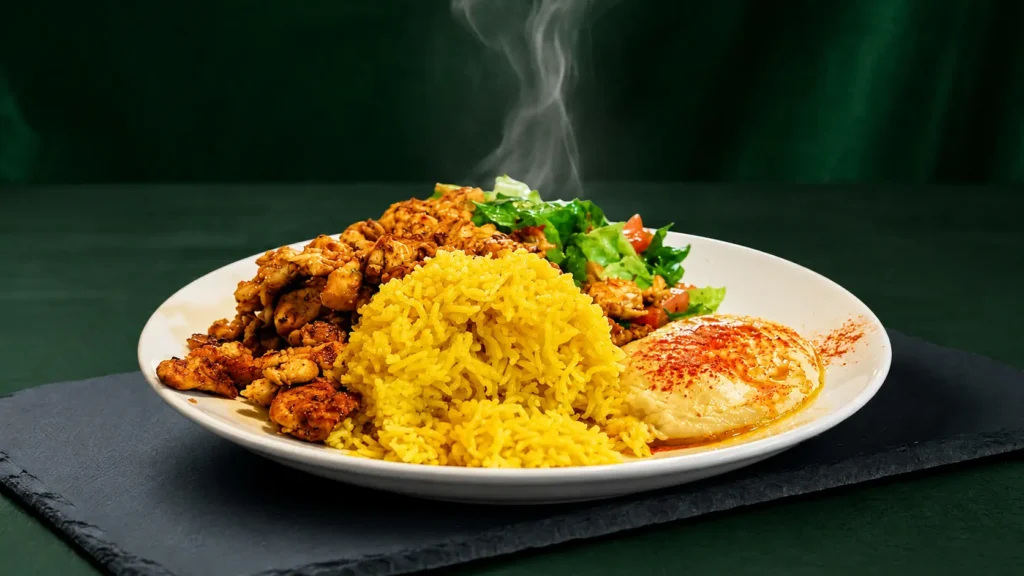
Restaurants inspired by Middle Eastern traditions often feature menus rich in homemade hummus, fresh dips, grain salads, roasted vegetables, and expertly seasoned grilled meats. A perfectly roasted chicken flavored with traditional Middle Eastern spices and prepared with high-quality fresh ingredients is a great example of how simple ingredients can create unforgettable flavor.
Unlike cuisines that rely heavily on intense heat, Middle Eastern food is known for its layered and balanced flavors. Spices are carefully combined to enhance the natural taste of each ingredient. Common spices such as cumin, coriander, turmeric, cinnamon, cardamom, paprika, sumac, cloves, and allspice create depth and complexity in both meat and vegetable dishes.
Modern chefs have successfully introduced these traditional flavors into contemporary creations, from lamb burgers and baked salmon to rice bowls and fusion-inspired Mediterranean dishes. The result is food that feels both familiar and exciting.
Middle Eastern culinary traditions are not only about ingredients; they are also about the techniques that have been refined over centuries. Grilling over an open flame, roasting, slow-cooking, marinating meats in yogurt and spices, baking fresh bread, and braising ingredients with herbs are all methods that develop rich aromas and exceptional flavor.
These time-tested techniques allow chefs to create tender meats, flavorful vegetables, and authentic dishes that reflect the region’s culinary heritage.
Perhaps the most beautiful aspect of Middle Eastern cuisine is its culture of hospitality. Meals are traditionally served as a shared experience, with a table filled with a variety of dishes that everyone enjoys together. This tradition has inspired the popularity of mezze platters and shareable appetizers in restaurants around the world.
Sharing food encourages conversation, connection, and celebration, making Middle Eastern dining especially well suited for families, friends, and community gatherings.
As more people become interested in healthy eating, Middle Eastern cuisine has gained even greater popularity. Many traditional recipes are built around whole grains, legumes, vegetables, fruits, olive oil, and lean proteins. These ingredients provide fiber, healthy fats, vitamins, and plant-based nutrients while remaining incredibly flavorful.
Because Middle Eastern food offers both nutrition and variety, it appeals to diners who want meals that are satisfying without feeling overly heavy.
Today’s chefs continue to reinvent Middle Eastern cuisine in creative ways. Traditional flavors are being incorporated into modern dishes such as gourmet burgers, Mediterranean pizzas, grain bowls, wraps, and contemporary fusion plates. This innovation keeps the cuisine fresh and exciting while preserving the authenticity of its core ingredients and cooking methods.
The most successful restaurants understand that honoring tradition does not mean resisting creativity—it means building on a strong culinary foundation.
Middle Eastern culinary traditions offer far more than delicious food, they provide a rich cultural experience rooted in history, hospitality, and fresh ingredients. From aromatic spices and homemade hummus to perfectly grilled meats and vibrant salads, every dish tells a story that has been passed down through generations. If you are searching for a Middle Eastern restaurant near me in Newbury Park, you can trust at Baba’s Kitchen Restaurant.
At Baba’s Kitchen Mediterranean, we proudly celebrate these timeless traditions by preparing authentic Mediterranean and Middle Eastern dishes using the freshest ingredients and trusted family recipes. Whether you’re enjoying a mezze platter, a shawarma wrap, a kebab plate, or a freshly made hummus dip, you’ll experience the warmth and heritage that make Middle Eastern cuisine truly unforgettable.
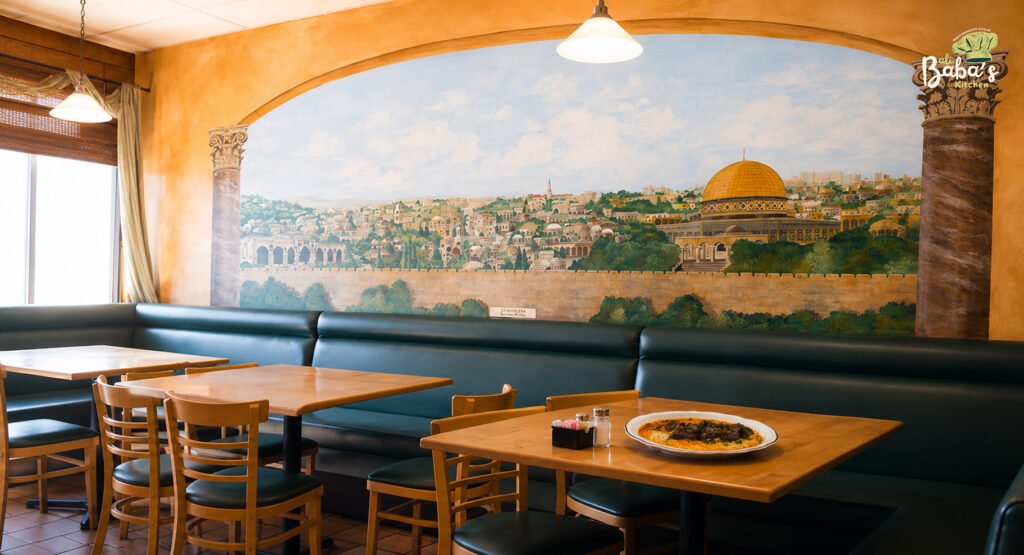
Sit down in a relaxed and friendly atmosphere at Baba’s Kitchen Mediterranean Restaurant in Newbury Park, and enjoy authentic Mediterranean food. All dishes are made “from scratch” using premium and fresh ingredients.
Sit down at Baba’s Kitchen Mediterranean Restaurant, and enjoy authentic Zabiha Halal and Mediterranean food served in a relaxed and friendly atmosphere. All dishes are made “from scratch” using fresh ingredients..
Copyright © 2026 Baba’s Kitchen Mediterranean Restaurant. All rights reserved. (Designed by AABAN)