Food is an important part of every culture, reflecting its history, traditions, geography, and lifestyle. Mediterranean and Middle Eastern cuisines are two popular food traditions known for their rich flavors, fresh ingredients, aromatic spices, and delicious dishes. Both cuisines have gained worldwide popularity because they offer a wonderful combination of taste, nutrition, and variety.
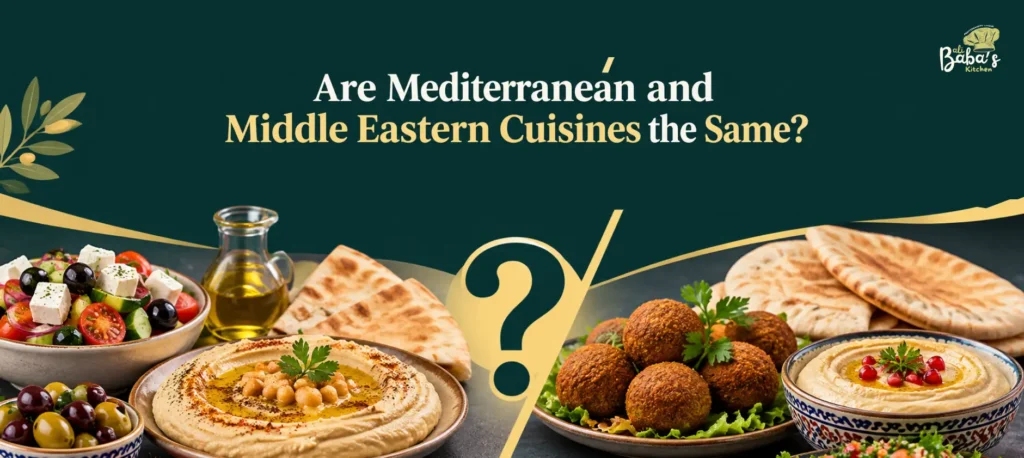
Many people often confuse Mediterranean and Middle Eastern food because they share several ingredients and cooking techniques. Dishes such as hummus, falafel, kebabs, pita bread, grilled chicken, and shawarma are commonly associated with both cuisines. However, are Mediterranean and Middle Eastern cuisines actually the same?
The simple answer is no. Although they have many similarities, Mediterranean and Middle Eastern cuisines are not exactly the same. They overlap in ingredients, flavors, and traditional recipes, but each has its own cultural influences, regional specialties, and cooking styles. Let’s understand the differences and similarities between these two popular cuisines.
Mediterranean cuisine refers to the traditional food cultures of countries surrounding the Mediterranean Sea. These include Greece, Italy, Spain, Turkey, Lebanon, Morocco, and parts of France, among others.
Since these countries have different histories and local ingredients, Mediterranean food is quite diverse. However, many dishes share a focus on fresh, seasonal ingredients and simple cooking methods that allow natural flavors to stand out.
Some common ingredients used in Mediterranean cuisine include:
Olive Oil: A popular cooking ingredient and salad dressing known for its distinctive flavor.
Fresh Vegetables: Tomatoes, cucumbers, eggplants, bell peppers, onions, and leafy greens are widely used.
Fruits: Lemons, oranges, grapes, figs, and dates add natural sweetness and freshness.
Seafood: Fish, shrimp, squid, and other seafood are popular in coastal regions.
Herbs: Oregano, parsley, basil, rosemary, and mint provide fresh aromas.
Whole Grains: Rice, wheat, bulgur, and couscous are common staples.
Popular Mediterranean dishes include Greek salad, grilled fish, hummus, falafel, moussaka, tabbouleh, and various grilled meat preparations.
Mediterranean cuisine is also widely associated with the Mediterranean dietary pattern, which emphasizes vegetables, fruits, whole grains, legumes, nuts, and olive oil.
Middle Eastern cuisine represents the traditional food cultures of countries across Western Asia and parts of the surrounding region. These include Lebanon, Syria, Jordan, Palestine, Iraq, Iran, Saudi Arabia, and other Gulf countries.
Middle Eastern food is famous for its aromatic spices, slow-cooked dishes, grilled meats, flavorful sauces, and traditional bread. Food preparation often reflects centuries-old family recipes and cultural traditions.
Some commonly used ingredients in Middle Eastern cooking include:
Spices: Cumin, coriander, cinnamon, cardamom, turmeric, sumac, and allspice.
Legumes: Chickpeas, lentils, and beans are important ingredients in many traditional meals.
Fresh Herbs: Parsley, mint, cilantro, and other herbs add flavor and freshness.
Meat: Chicken, lamb, and beef are commonly used in grilled and slow-cooked dishes.
Grains: Rice, bulgur, and wheat are popular staples.
Dairy Products: Yogurt, labneh, and cheese are used in dips, sauces, and side dishes.
Some popular Middle Eastern dishes include chicken shawarma, beef shawarma, falafel, hummus, baba ghanoush, kebabs, tabbouleh, fattoush, and rice-based dishes such as kabsa.
Middle Eastern cuisine is particularly known for combining different spices and ingredients to create rich, satisfying, and memorable flavors.
Although these cuisines are not identical, they share many characteristics because of their geographical connections, historical trade routes, and cultural exchanges.
Here are some important similarities:
1. Fresh and Natural Ingredients
Both cuisines use fresh vegetables, fruits, herbs, legumes, and grains. Tomatoes, cucumbers, onions, lemons, and parsley are common ingredients in many traditional recipes.
2. Olive Oil and Healthy Fats
Olive oil is widely used in both cuisines for cooking, preparing salads, and making dips. Nuts and seeds are also popular ingredients.
3. Similar Traditional Dishes
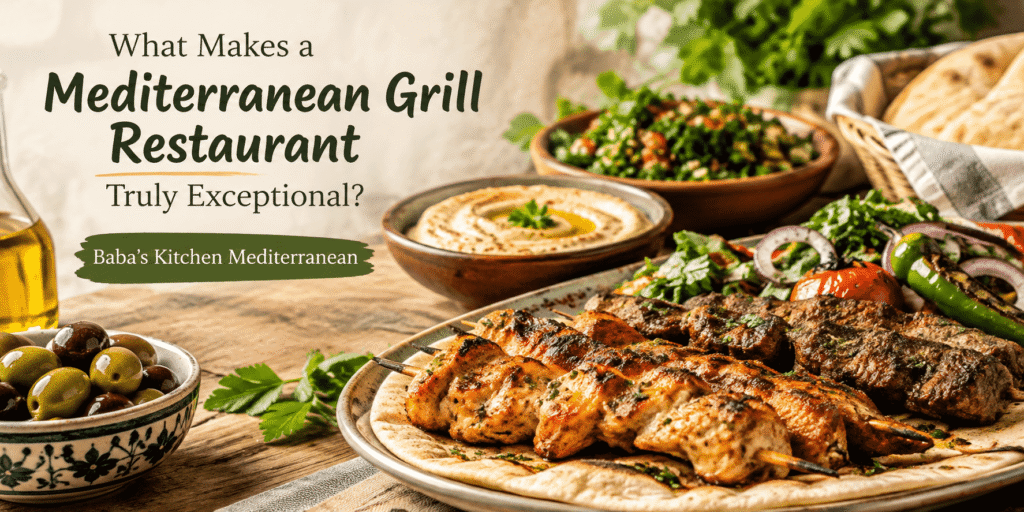
Several dishes are enjoyed across both food traditions. Hummus, falafel, pita bread, kebabs, and tabbouleh are excellent examples of recipes that have strong regional variations.
4. Grilled Food Preparations
Grilling is an important cooking technique in both cuisines. Chicken, lamb, beef, and seafood are often grilled with herbs, spices, and marinades to create flavorful meals.
5. Sharing Food and Family Dining
Both cultures have strong food-sharing traditions. Meals often include several small dishes, dips, salads, and freshly prepared bread that family members and guests can enjoy together.
While the similarities are easy to notice, some differences help distinguish these culinary traditions.
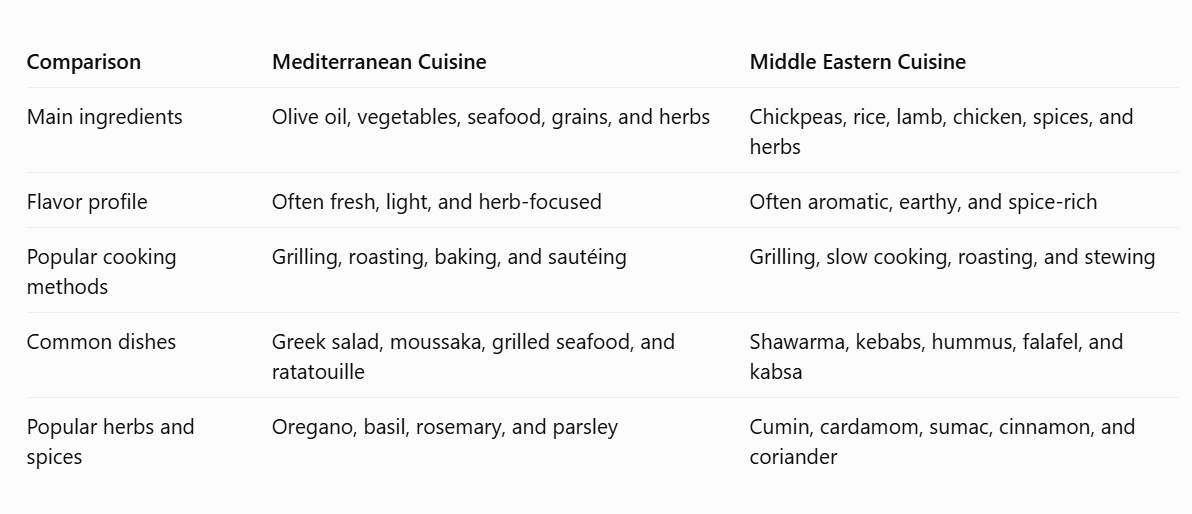
These differences are general rather than strict rules. For example, Mediterranean dishes can be heavily spiced, while Middle Eastern meals can be light, fresh, and herb-focused. Each country and region has its own distinctive food traditions.
Lebanese cuisine is a perfect example of how Mediterranean and Middle Eastern food traditions overlap.
Lebanon is geographically located in the Middle East along the Mediterranean coastline. Therefore, its food culture combines characteristics of both cuisines.
Lebanese meals commonly include fresh vegetables, olive oil, lemon juice, chickpeas, garlic, herbs, and grilled meats. These ingredients create dishes that are flavorful, refreshing, and satisfying.
Some popular Lebanese dishes include:
Hummus: A creamy chickpea dip prepared with tahini, lemon juice, garlic, and olive oil.
Tabbouleh: A refreshing salad made with parsley, tomatoes, bulgur, mint, and lemon juice.
Falafel: Crispy fried balls or patties made from ground chickpeas or fava beans, herbs, and spices.
Shish Tawook: Marinated chicken pieces grilled on skewers.
Baba Ghanoush: A smoky eggplant dip blended with tahini, lemon juice, and garlic.
These dishes demonstrate how Lebanese cuisine brings together Mediterranean freshness and traditional Middle Eastern flavors.
Both Mediterranean and Middle Eastern cuisines offer many nutritious food choices. However, the nutritional value of a meal depends on its ingredients, cooking methods, portion sizes, and preparation.
Mediterranean meals often include vegetables, fruits, seafood, whole grains, olive oil, and legumes. These ingredients provide fiber, vitamins, minerals, and beneficial fats.
Middle Eastern meals also feature nutritious ingredients such as chickpeas, lentils, fresh salads, grilled chicken, hummus, and yogurt-based sauces. These foods can provide protein, fiber, and essential nutrients.
For a balanced meal, consider choosing:
Grilled chicken or fish instead of heavily fried meat.
Fresh salads and seasonal vegetables.
Hummus or other legume-based dips.
Whole-grain pita bread or moderate portions of rice.
Olive oil-based dressings in reasonable quantities.
Both cuisines can be part of a balanced eating pattern when meals are prepared with nutritious ingredients and appropriate portions.
Mediterranean and Middle Eastern cuisines have become popular worldwide because they offer something for almost everyone. Whether someone enjoys grilled meat, fresh vegetables, flavorful dips, or satisfying sandwiches, both food traditions provide plenty of choices.
Here are some reasons behind their popularity:
Variety of Flavors: Fresh herbs, aromatic spices, garlic, lemon, and sauces create delicious combinations.
Versatile Food Options: There are plenty of vegetarian, meat-based, and seafood dishes.
Fresh Ingredients: Many traditional recipes use fresh vegetables, herbs, legumes, and natural ingredients.
Different Cooking Styles: Grilled, roasted, baked, and slow-cooked dishes offer variety in every meal.
Perfect for Sharing: Platters, dips, salads, and freshly baked pita bread make group dining enjoyable.
From a flavorful chicken shawarma wrap to a plate of grilled kebabs with hummus and fresh salad, these cuisines offer satisfying options for different tastes and preferences.
Mediterranean and Middle Eastern cuisines are closely connected, but they are not exactly the same. They share several ingredients, cooking techniques, and traditional dishes, yet each has its own cultural identity, regional specialties, and unique flavors.
Mediterranean cuisine generally highlights fresh vegetables, olive oil, seafood, herbs, and grains, while Middle Eastern cuisine is widely recognized for its aromatic spices, grilled meats, legumes, rice dishes, and flavorful sauces. However, there is considerable overlap between the two.
Ultimately, both cuisines celebrate fresh ingredients, rich culinary traditions, and the joy of sharing good food. If you enjoy delicious shawarmas, kebabs, hummus, falafel, pita sandwiches, and freshly prepared Mediterranean specialties, exploring these food traditions is a wonderful way to experience their variety and flavor.
Looking for authentic Mediterranean and Middle Eastern flavors in Ventura County? Visit Baba’s Kitchen Mediterranean in Newbury Park, CA, and explore a delicious selection of freshly prepared shawarmas, kebabs, pita sandwiches, and other Mediterranean favorites. Experience flavorful food, welcoming hospitality, and a memorable dining experience with every visit!